
- NEW
Sort
Found 4 results
Sort:
.png "Alpina")




.jpg "BIOLABO S.A.S.")


.png "Consarctic")
.svg "Convergent Technologies")
.png "Cube DX")


.png "Dirui Industrial")

.png "Don Whitley Scientific")
.png "Edan")

.png "Genolution")
.png "Helmer Scientific")

.png "Ingenetix")




.svg "QuantaMatrix")



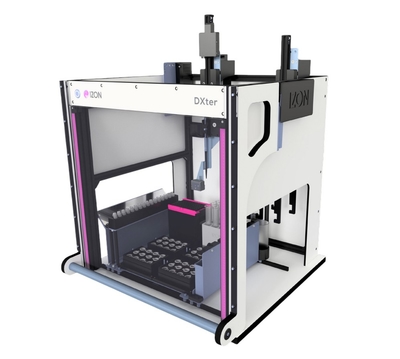
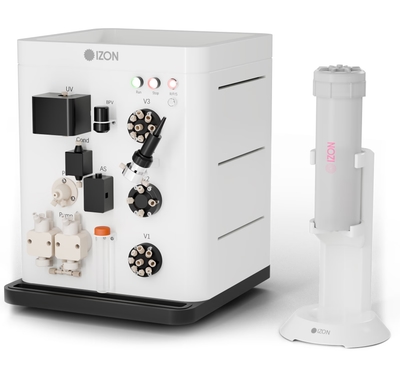
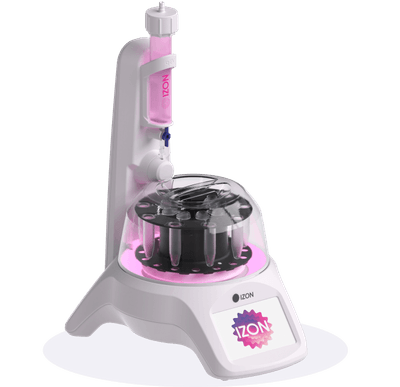
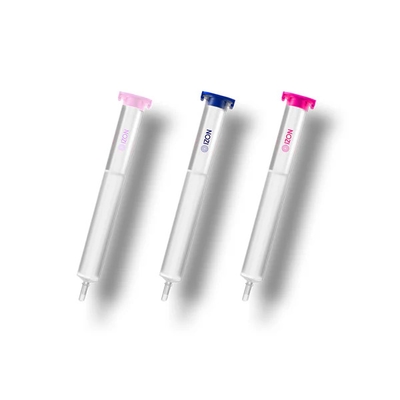
Columns for the isolation of qEV exosomesModern biomedicine is actively advancing in the study of microscopic structures involved in intercellular communication and the transmission of biological signals. One of the key targets of such research is the exosome—a nanoscale extracellular vesicle that forms inside the cell and carries a wide range of molecules reflecting the state of the organism. It is precisely because of these properties that the exosome has become an important subject of scientific and applied research, where it is necessary to obtain accurate information about processes occurring at the cellular level. However, this requires high-quality exosome isolation, which is only possible using specialized technologies and professional equipment for exosome isolation. You can order state-of-the-art devices from the Empirica online store, which features an up-to-date catalog of equipment for laboratories of various levels.
Exosome isolation is the process of obtaining extracellular particles from biological samples while preserving their structure and functional properties. The main objective is to separate exosomes from other components of the medium, such as proteins, lipids, and various contaminants, which can affect the accuracy of subsequent research. Each exosome contains a specific molecular composition that provides information about the state of cells and tissues. This is why the isolation process must be as precise and gentle as possible to preserve the integrity of the particles and their biological activity. Several approaches are used in modern practice, but the most effective is considered to be size-based separation, which ensures a high degree of purification and minimal damage to the particle structure.
The exosome isolation process involves several stages, each aimed at obtaining a pure and stable sample. The first stage involves preparing the biological material—blood, plasma, or another fluid containing exosomes.
Next, the selected method is applied to separate the particles from the other components. In modern laboratories, size-based chromatography is most commonly used, as it ensures gentle and precise exosome isolation without damaging their structure. The next step is quality control, which provides data on the purity and concentration of the particles. This is a critical step, as even minor impurities can affect subsequent analyses.
At the Empirica online store, you can purchase qEV columns, state-of-the-art tools for the efficient isolation of exosomes based on SEC (size-exclusion chromatography) technology. This method ensures precise particle separation and the removal of unwanted impurities without damaging the structure of the exosomes. The qEV system allows for the production of highly purified samples while preserving their biological activity and functional properties. Thanks to its gentle operating mechanism, particles are effectively separated from proteins and other contaminants, making this approach the preferred choice for scientific and applied research. One of the key advantages is the high degree of purification; according to the developers, the columns effectively remove the vast majority of protein impurities, allowing for more accurate results. This is particularly important in cases where a detailed analysis of the exosome composition is required.
The system also supports process automation, reducing the need for manual control and minimizing errors. This approach makes exosome isolation more stable and reproducible, which is particularly important for large laboratories. As a result, exosome isolation equipment can be purchased from the Empirica online store at an affordable price. Delivery is available in Kyiv and other regions of Ukraine, making modern laboratory devices accessible to specialists throughout the country.